AQUANZO
01 · The product

Artemia, grown for feed.

We start with aquaculture: live Artemia for hatcheries and Artemeal™ for compound feed. The same biomass is the starting point for marine actives and food.

Live Artemia & Artemeal™

The marine feed ingredient, grown on by-products.

Whole Artemia, available live, as paste or as meal.

Marine attractance

The natural marine taste and smell that get larvae and fish eating. Plant proteins can't replicate it.

Tailored nutrition

We adjust feed, growing conditions and strain selection to tune the nutritional profile, then produce every batch to that spec.

Live feed on demand

Living Artemia produced locally all year, free of wild-cyst supply shocks.

Biosecure & traceable

Closed-system production with a data trail for every batch.

02 · Where it goes

One platform, three horizons.

Artemia is a whole marine organism: protein, lipids, bioactives and flavour in one. We bring it to market in sequence. Feed comes first, where the need is urgent and our proof is strongest. Marine actives and food follow as we scale.

Aquaculture & feedToday
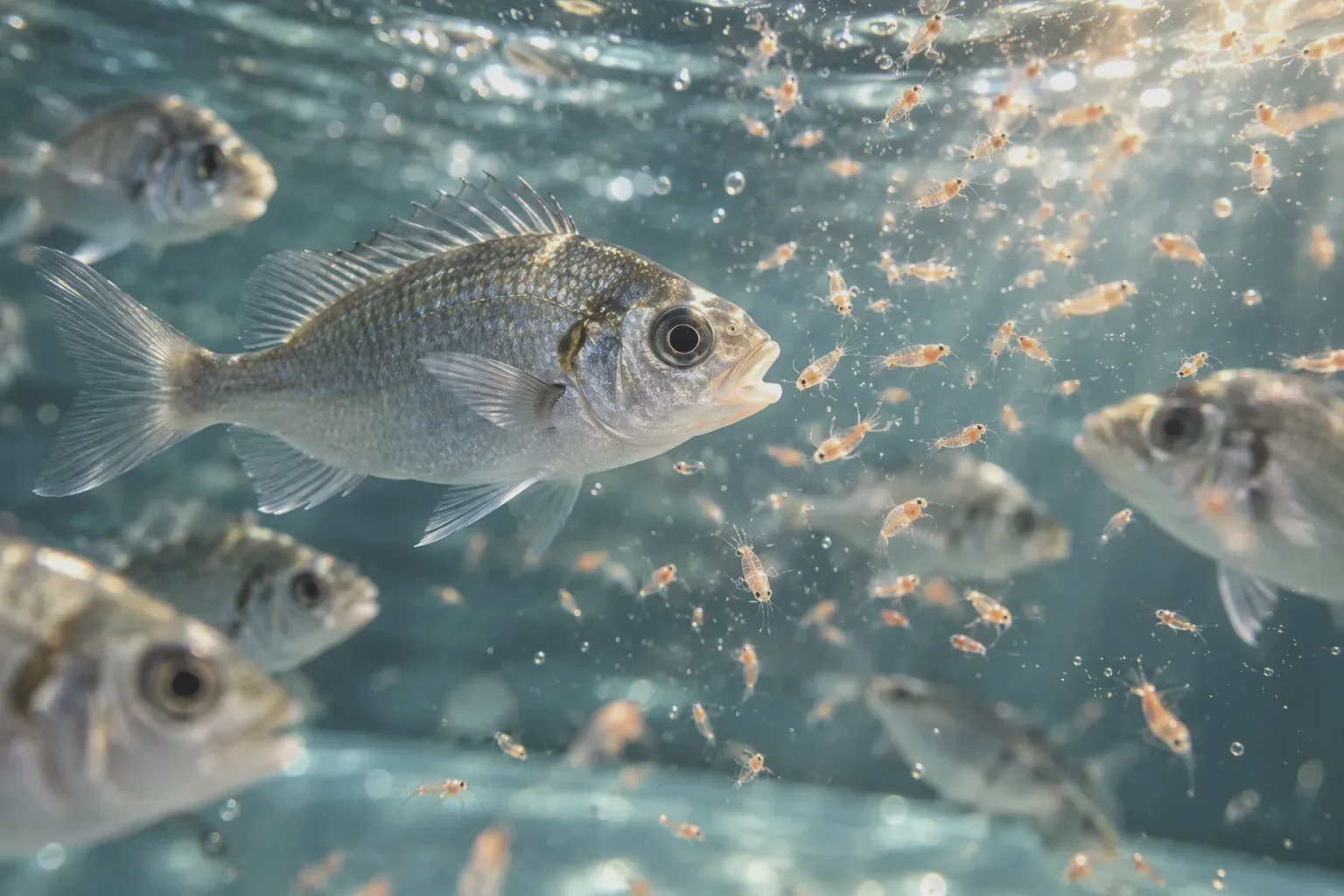
Young fish feeding on live Artemia

A reliable marine feed ingredient.

Live Artemia for hatcheries and Artemeal™, a premium marine protein for starter and specialty feeds. Already tested in poultry and sea bass trials, with promising results.

  • Shrimp & fish hatcheries
  • Aquafeed
  • Poultry starter feed
Marine actives & peptidesNext
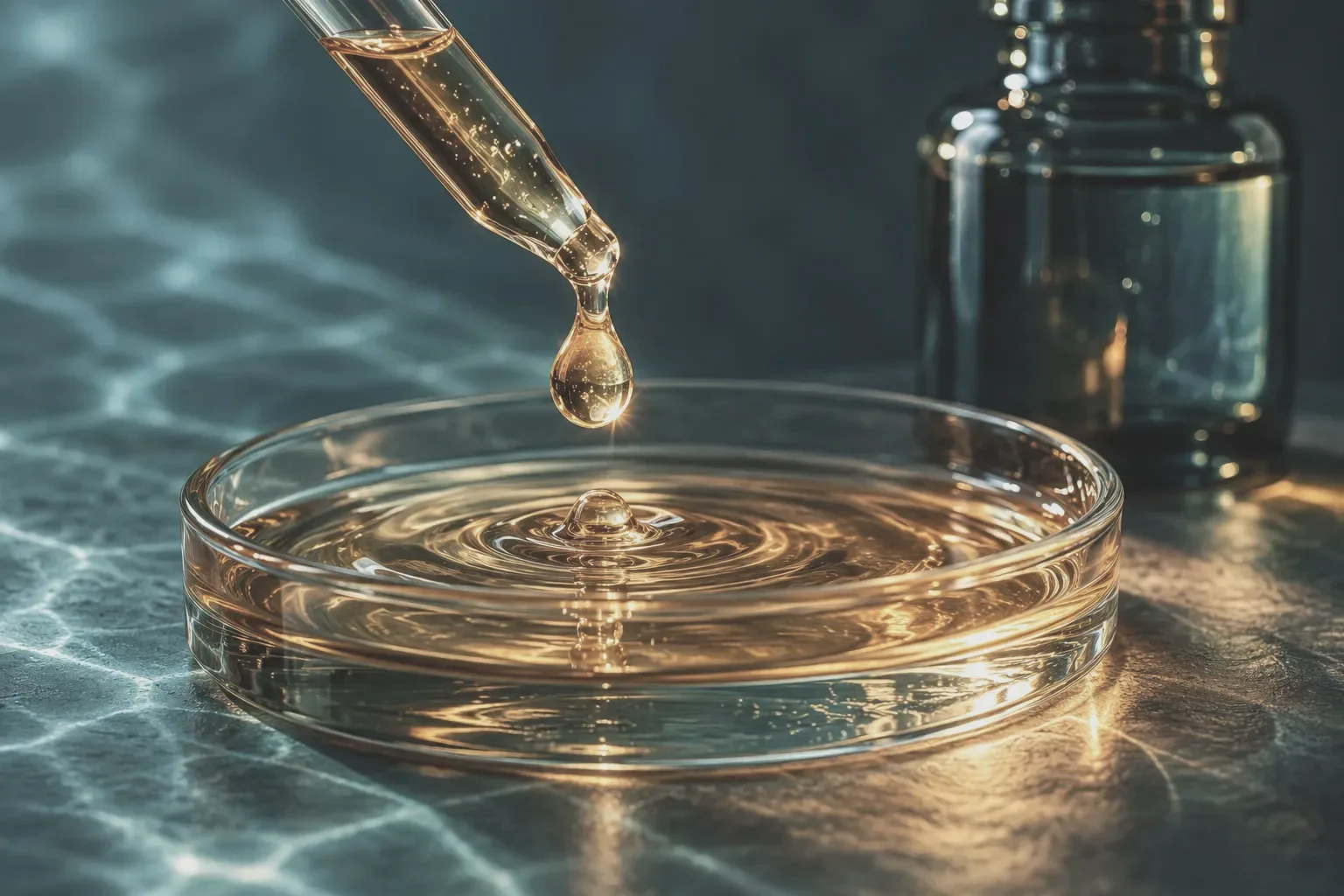
A drop of golden marine oil falling into a glass dish

A traceable source of marine actives.

Artemia extracts are already used in skincare, but today's supply comes from wild-harvested cysts. Cultivated adult Artemia offer a controlled, traceable source of peptides and other marine actives.

  • Protein-peptide hydrolysates
  • Marine lipids & phospholipids
  • Skincare & wellbeing actives
Food & flavourLong term
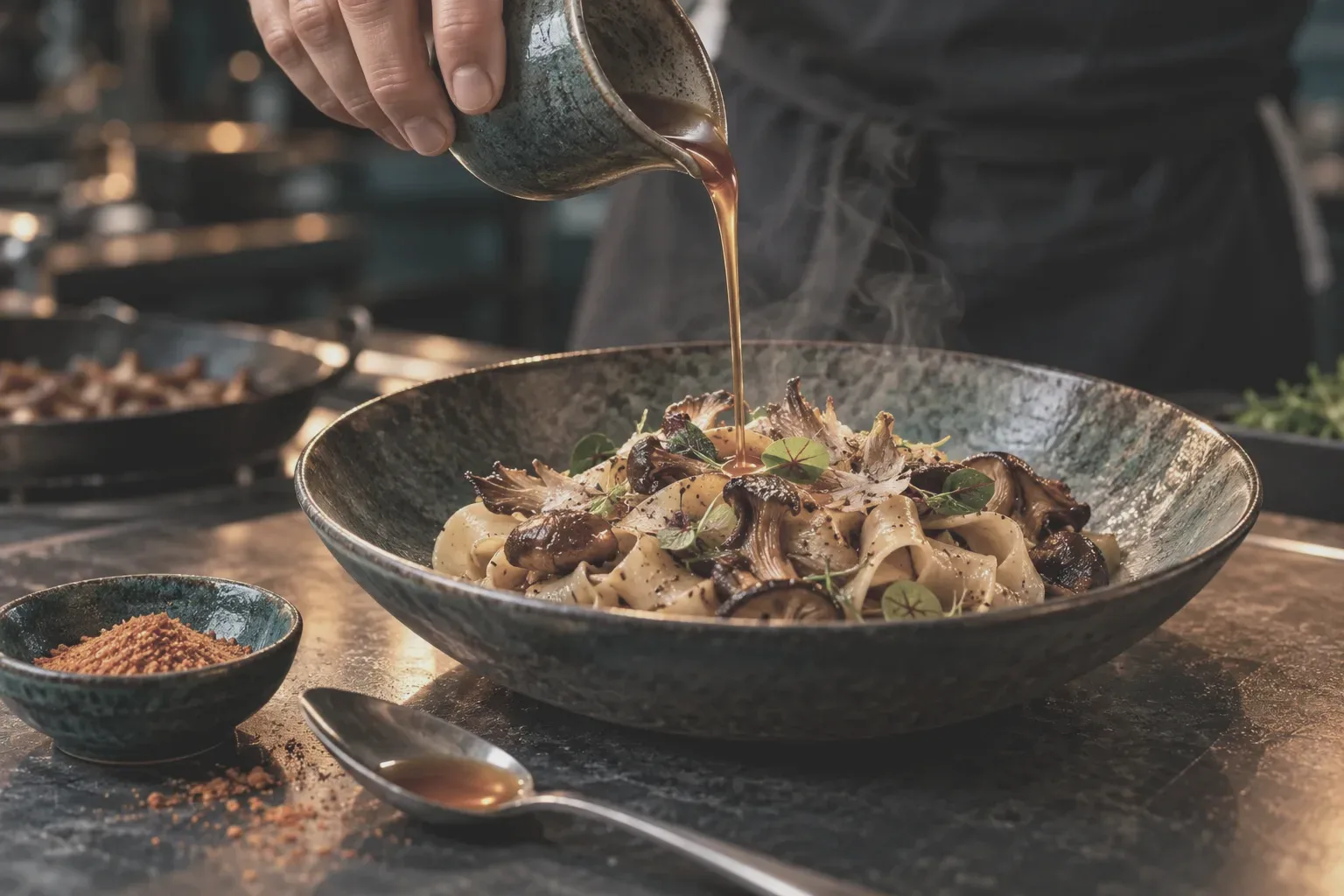
A chef pouring a savoury sauce over a mushroom pasta dish

A new source of marine umami.

In early tests with chefs, Artemia brought a clear savoury, marine flavour. We see a concentrated umami base for stocks, sauces, soups and seasonings, as a sustainable alternative to fish sauce, oyster sauce or bouillon. Food use is subject to novel food approval.

  • Savoury base & bouillon
  • Sauces, marinades & seasonings
  • Alternative to fish & oyster sauce
FAQ

Questions & answers.

The questions hatcheries, feed producers and partners ask us most.

What is Artemia?

Artemia, also known as brine shrimp, is a small marine crustacean. It is the standard live feed for fish and shrimp larvae: 99% of marine hatcheries rely on it. As a whole organism it combines protein, lipids, bioactives and the natural marine taste that gets larvae and fish eating.

Why grow Artemia on land?

Most of the world's Artemia comes from a few salt lakes as dormant cysts. The Great Salt Lake, which supplies around 45% of them, has lost 73% of its water, and supply swings from season to season. Growing Artemia in closed tanks on land gives a reliable, biosecure supply all year round, with nothing taken from the sea.

What do you feed the Artemia?

Nutrient-rich liquid by-products from the food and drink industry, such as salty whey and permeate from dairies. Each by-product gets its own preparation recipe, and our units sit beside the producer, so the feedstock does not need to travel.

What products do you offer?

Live Artemia for marine fish and shrimp hatcheries, and Artemeal™: whole Artemia as a premium marine protein for starter and specialty feeds. Whole Artemia is also available as paste.

Can you tailor the nutritional profile?

Yes. We adjust the feed, growing conditions and strain selection to tune the nutritional profile to what each customer needs, then produce every batch to that spec.

How does the AI monitoring work?

Computer vision we built in-house, together with sensors, watches every tank around the clock. It counts, sizes and tracks the Artemia, and our system acts before conditions in a tank drift.

How much land does it take?

Very little, because Artemia grow indoors in tanks and feed on by-products. We estimate 0.15 m² of land per kg of protein a year at commercial scale: more than 200 times less than farmed fish and more than 10,000 times less than beef.

How can I get samples?

Hatcheries and feed producers can request samples through our contact page. We are partnering with a select group of customers as we scale.

Ready to try it?

We are partnering with a select group of hatcheries and feed producers as we scale.