
Farmed
Wild catch
51%
Farmed, not caught
In 2022, farming overtook wild catch for the first time.
We cultivate Artemia on nutrient-rich liquid streams from the food industry, in AI-controlled tanks on land. Industrial precision, with the full nutrition of a whole marine organism.
scale-up since our first lab tanks in 2022
Farmed fish and shrimp are among the most efficient animal proteins we have. But every hatchery and feed mill still depends on marine ingredients taken from the wild.
In 2022, farming overtook wild catch for the first time.
For at least a fifth of their animal protein.
Projected growth, almost all of it from farming.
Against 6–10 kg of feed for beef.
Sources: FAO, The State of World Fisheries and Aquaculture 2024 · feed figures are typical industry ranges
Feed, supplements and skincare rely on three wild sources of marine ingredients: salt lakes, krill and wild fish. Supply from all three is tightening.
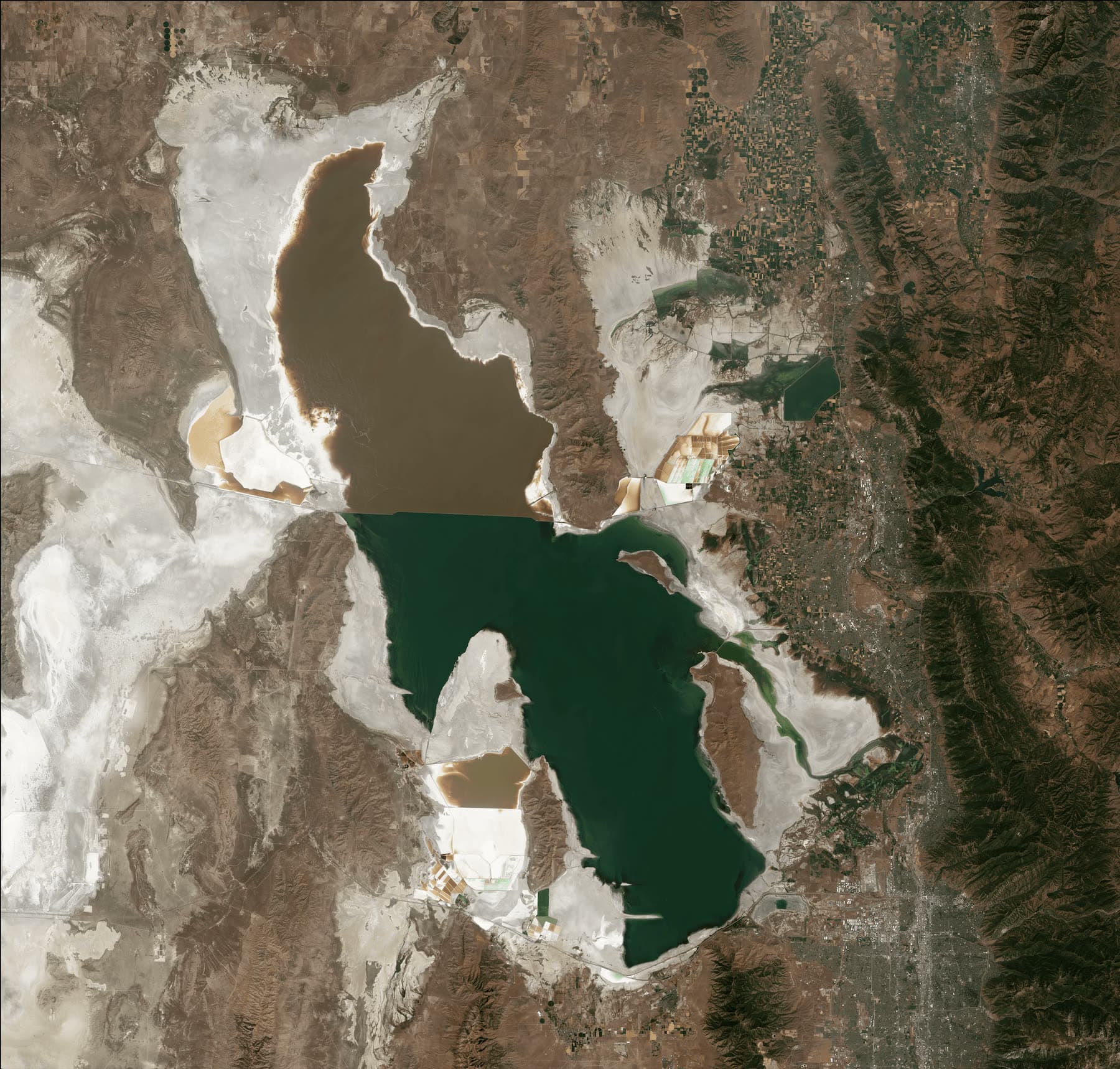
The Great Salt Lake supplies around 45% of the world's Artemia cysts and has lost 73% of its water. Most of the rest comes from salt lakes in China, Kazakhstan and Russia.
99% of marine hatcheries rely on Artemia. There is no quick switch.
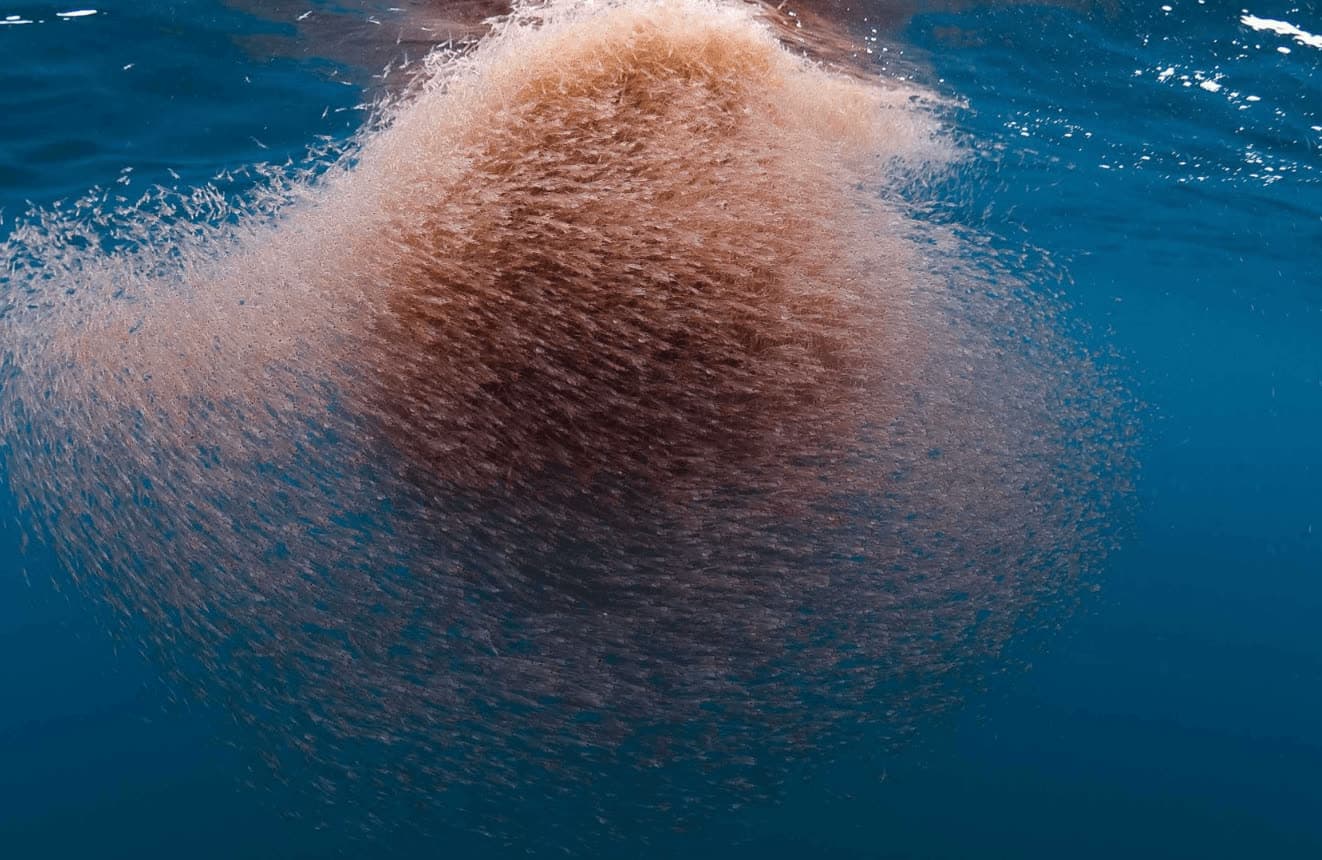
Krill supplies aquaculture and the omega-3 market. In 2025 the Antarctic season hit its catch limit in August and closed early for the first time.
One bad season moves prices worldwide. Buyers have no plan B.
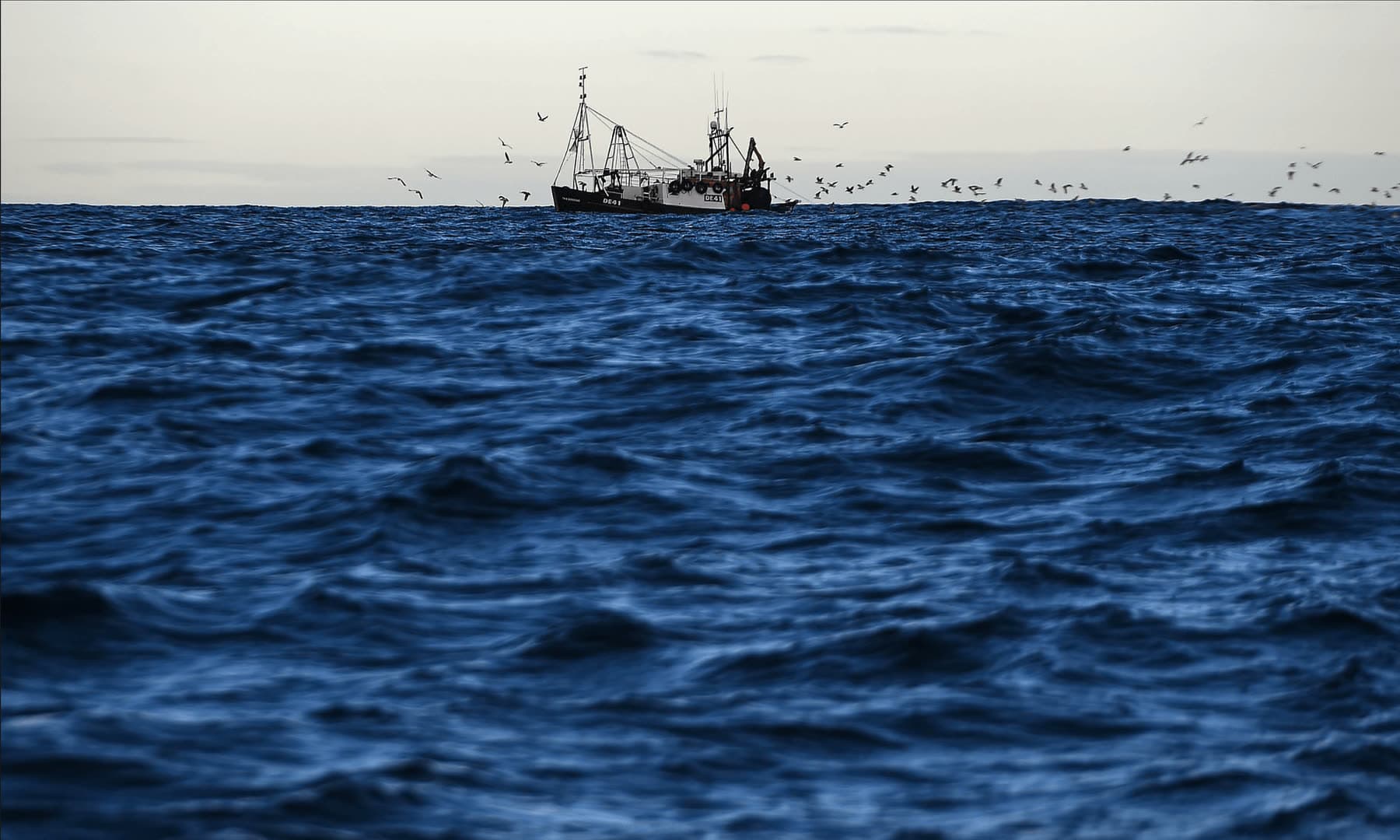
Fishmeal and fish oil come from wild catch, which has been flat for 30 years. 90% of monitored fish stocks are fished at or beyond their limit.
Plants, algae and ferments can't replace a whole marine organism.
Dairies, breweries and distilleries pay to dispose of nutrient-rich liquid by-products. We turn them into feed for Artemia, grown in closed tanks that clean and reuse their water.
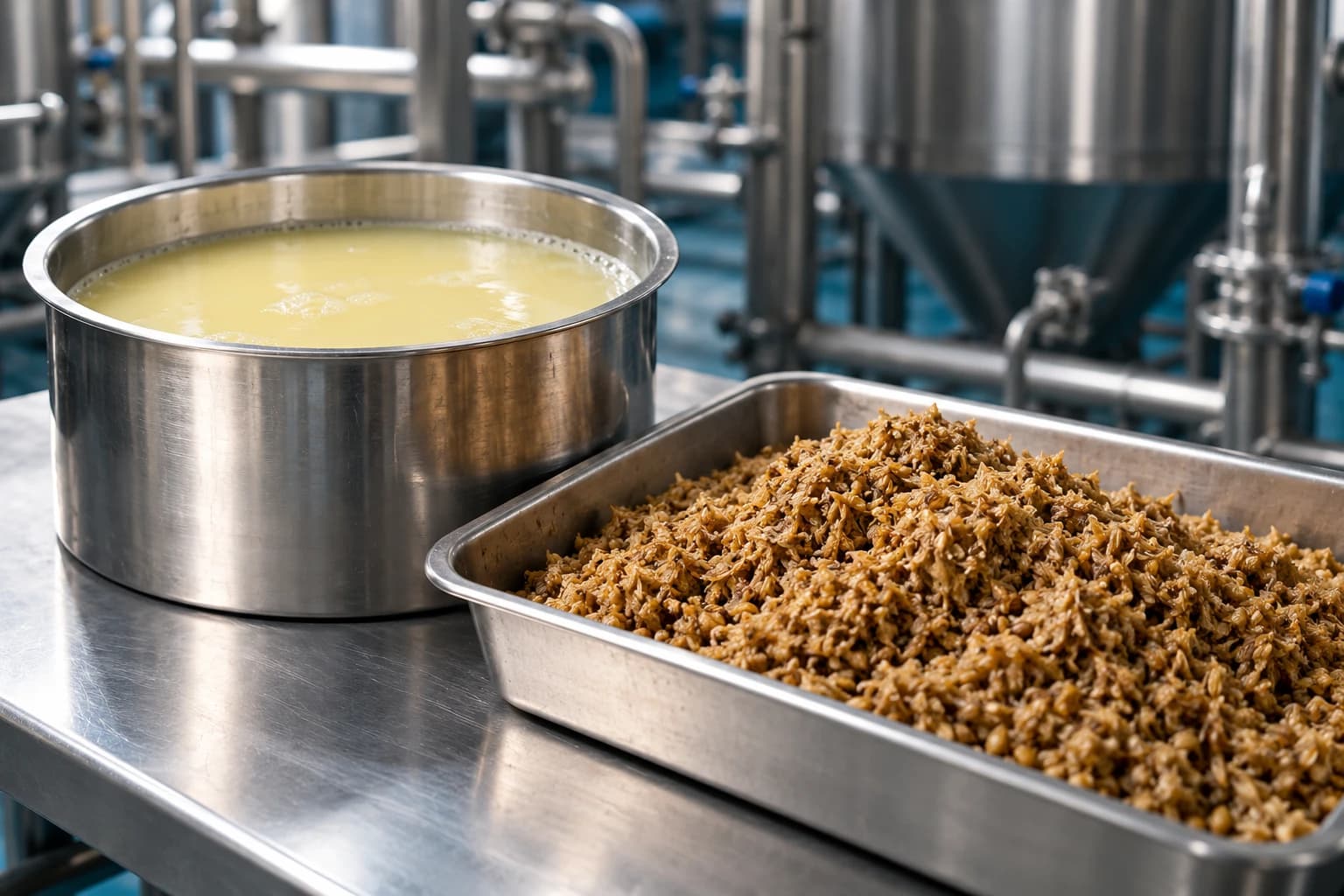
Dairy, brewing, distilling
Salty whey, permeate, malt and grain residues. Local, abundant and, until now, a disposal cost.
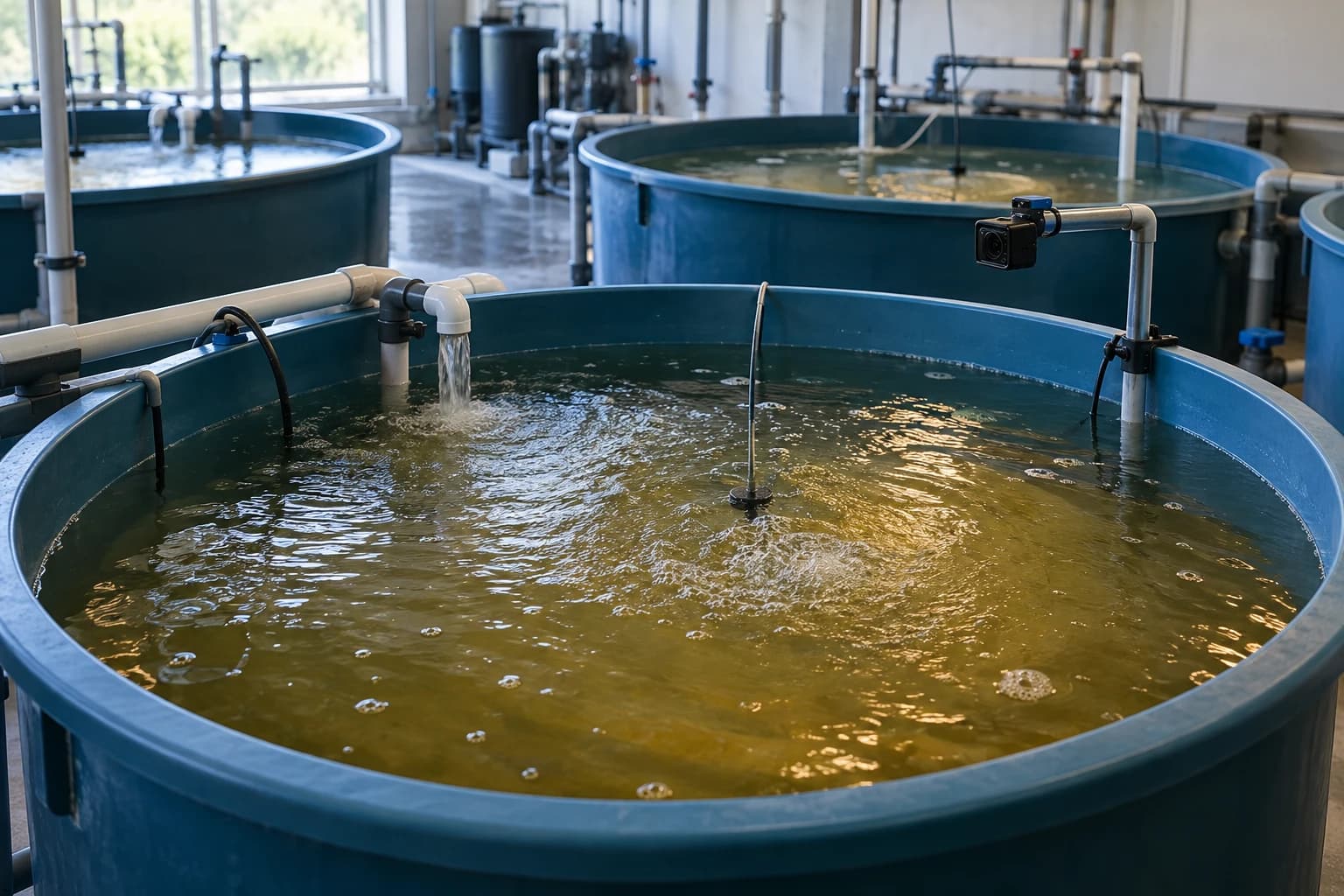
Artemia grown on land
Capital-light recirculating tanks, run by our own AI and camera setup, that keep conditions right day and night.
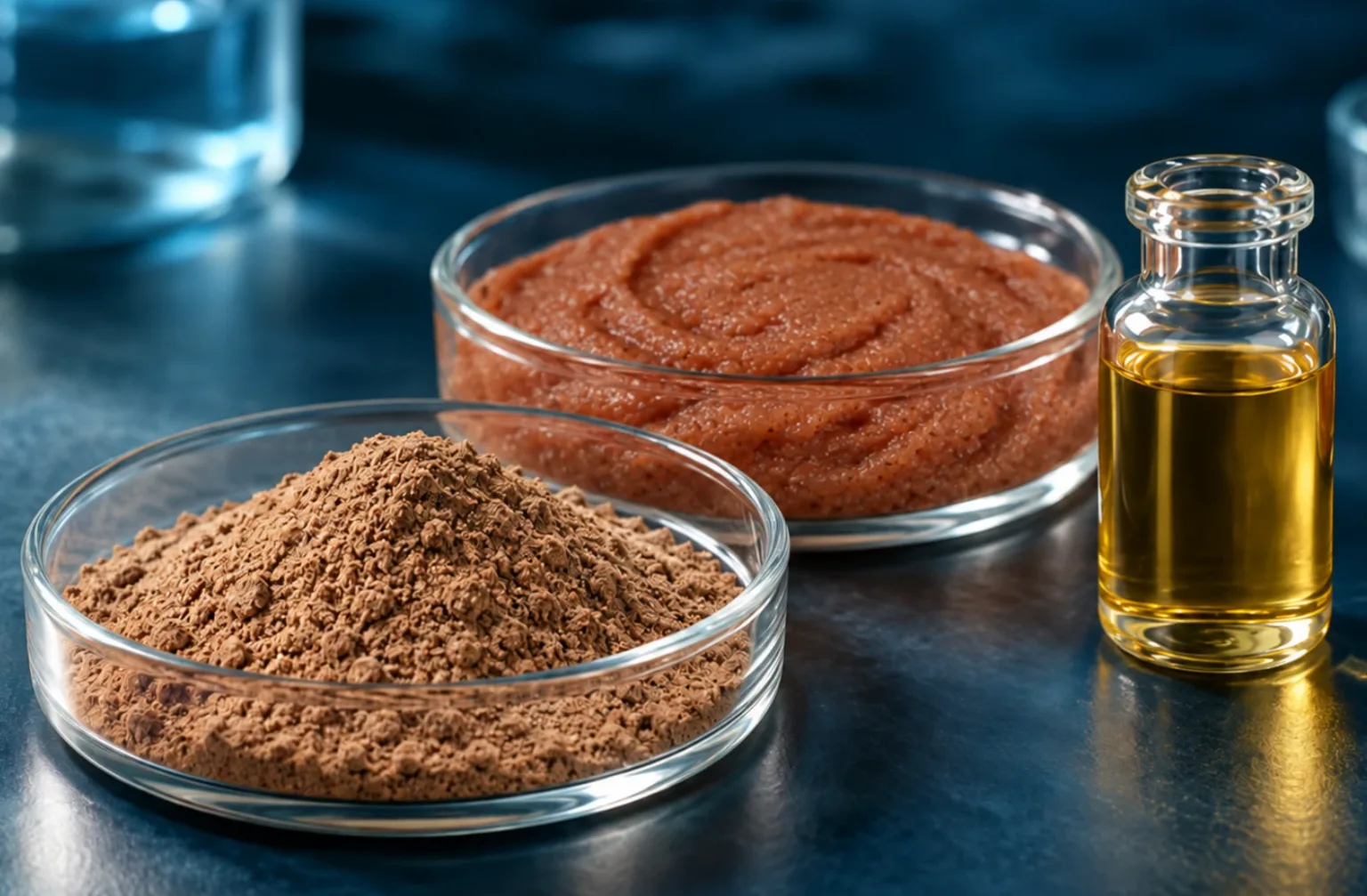
Tailored nutrition
Whole Artemia, supplied live or as meal and refined fractions. By adjusting feed, growing conditions and selected strains, we tune the nutritional profile to what each customer needs.
Artemia grow indoors in tanks and feed on by-products, so they need barely any land. The squares show how much land it takes to produce 1 kg of protein in a year, drawn to scale.
Sources: Poore & Nemecek (2018), Science, via Our World in Data (life-cycle land use incl. feed crops and pasture). Aquanzo: own estimate at commercial scale.
Samples, by-product partnerships or investor materials: we'd like to hear from you.